How Pet Wellness Supplements Support a Longer, Healthier Life for Your Dog
When my senior dog Winston first started struggling to jump onto the couch, I figured it was just old age. He was ten, after all, and a Lab mix carries a lot of weight on those joints. But after a few weeks of watching him hesitate at the foot of the bed, I started looking into options beyond just a softer landing pad. That search led me into the world of pet wellness supplements, a category I had mostly dismissed as marketing fluff. I was wrong.
What I found was a surprisingly grounded field, backed by real research and decades of veterinary experience. The key is knowing what to look for and understanding that not every supplement lives up to its label. For Winston, and for millions of other dogs, the right combination of ingredients can mean the difference between a comfortable old age and a painful one.
Understanding the Basics of Pet Wellness Supplements
Pet wellness supplements are not a replacement for veterinary care or a balanced diet. They are exactly what the name implies: supplements. They fill nutritional gaps, support specific body systems, and can help manage the wear and tear that comes with age, stress, or breed-specific predispositions. The category includes everything from joint support to digestive aids to calming chews for anxiety.
One of the most common ingredients you will see is glucosamine, often paired with chondroitin. These are building blocks of cartilage and joint fluid. For an older dog with creaky hips or a working breed that runs on hard surfaces, this combination can make a real difference. I have seen it with my own dog: after six weeks on a glucosamine and chondroitin supplement, Winston was jumping onto the couch again, not gracefully, but without the hesitation that broke my heart.
Joint Health and Mobility
Joint health is probably the most popular reason people start looking into supplements. Besides glucosamine and chondroitin, omega-3 fatty acids play a big role here. They are natural anti-inflammatories, and they help keep the joint lining slippery and comfortable. Fish oil is the most common source, but for dogs with sensitive stomachs, hemp seed oil can be a gentler alternative that still delivers those essential fats.
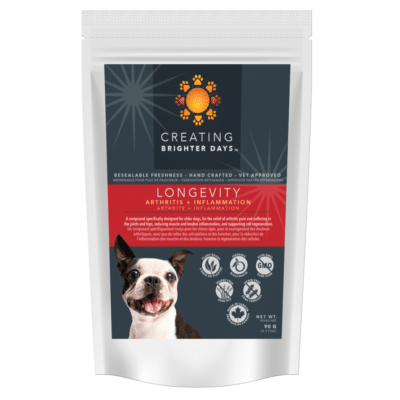
Turmeric is another ingredient that has gained traction in the past few years. Its active compound, curcumin, is a powerful anti-inflammatory. I have used turmeric-based chews from brands like Zesty Paws and Pet Honesty, and they seem to help Winston on days when the weather shifts and his joints get stiff. The trick with turmeric is that it needs a fat source for absorption, so most good supplements pair it with coconut oil or something similar.
For dogs with more advanced joint issues, some vets recommend products like Denamarin, which supports liver function but also has anti-inflammatory properties. It is not a joint supplement per se, but a healthy liver helps the body process inflammation more effectively. That kind of indirect support is common in the world of pet wellness supplements; the best formulas take a whole-body approach.
Gut Health and Digestive Support
Digestive health is another area where supplements can make a huge difference, especially for dogs with sensitive stomachs or those on medications that upset their gut flora. Probiotics are the go-to here. They introduce beneficial bacteria that help break down food and crowd out harmful microbes. I started Winston on a probiotic chew from VetriScience after a bout of pancreatitis, and his digestion improved noticeably within a week.
Digestive enzymes are often included alongside probiotics in these formulas. They help the dog break down proteins, fats, and carbohydrates more efficiently, which can be a lifesaver for older dogs whose natural enzyme production has slowed. Some of the best products combine both probiotics and digestive enzymes in one chew or powder. Greenies makes a dental chew that also includes probiotics, which is a neat two-in-one approach.
Anxiety Relief and Calming Support
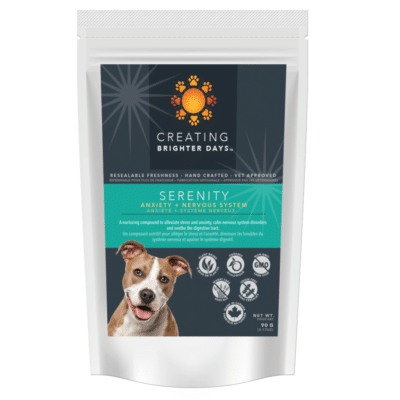
Anxiety is not just a human problem. Dogs can suffer from separation anxiety, noise phobias, and general nervousness. Melatonin is a popular ingredient in calming supplements because it helps regulate sleep-wake cycles and can take the edge off. But it is not a sedative; it works best when used consistently, not just before a stressful event.
For situational anxiety, like thunderstorms or car rides, products with CBD oil or hemp seed oil can be very effective. CBD oil interacts with the endocannabinoid system, which helps modulate stress responses. I have used Canna-Pet chews for Winston during fireworks season, and they work better than anything else I have tried. The key is to start with a low dose and see how your dog responds. Not every dog reacts the same way.
There are also non-cannabinoid options. L-theanine, an amino acid found in green tea, is used in some calming chews and has a gentle, non-sedating effect. Zesty Paws makes a calming chew with L-theanine and chamomile that works well for mild anxiety. For more severe cases, you might need a prescription from your vet, but for most dogs, a good supplement is enough.
Supporting the Senior Dog
As dogs age, their nutritional needs change. They may need more protein to maintain muscle mass, fewer calories to prevent weight gain, and extra support for their kidneys, liver, and brain. Senior dog formulas often include omega-3 fatty acids for brain health, antioxidants like vitamin E, and sometimes Denamarin for liver support.
I have found that the best approach is to rotate or layer supplements based on what my dog needs at a given time. For example, during the winter when he is less active, I focus on joint health and gut support. In the summer when we hike more, I add in turmeric and omega-3s for inflammation control. Pet wellness supplements are not a one-size-fits-all thing; they work best when tailored to the individual dog.
What to Look for in a Brand
Not all supplements are created equal. The pet supplement market is largely unregulated, which means you have to be a smart shopper. I look for brands that have a track record of quality control and third-party testing. Nutramax is one of the most trusted names in the industry; they make Denamarin and a line of joint supplements that vets have recommended for years. VetriScience is another solid choice, with a focus on research-backed formulas.
Zesty Paws and Pet Honesty are newer brands, but they have invested heavily in transparency and ingredient sourcing. I have used both and been satisfied with the results. Greenies is best known for dental chews, but they also have a supplement line that includes joint and skin support. Canna-Pet is the go-to for hemp-based supplements, and they have a range of products for different needs, from anxiety to pain relief.
One thing I have learned: if the price seems too good to be true, the ingredients probably are. Cheap supplements often use low-quality fillers or ineffective doses. On the other hand, expensive does not automatically mean better. The sweet spot is a mid-range product from a reputable brand that lists the exact amounts of each active ingredient.
Practical Tips for Getting Started
If you are new to pet wellness supplements, start with one specific goal. Do not try to fix everything at once. Pick the issue that bothers you most, whether it is joint stiffness, anxiety, or digestive upset, and find a supplement that addresses it. Give it at least four to six weeks before deciding whether it works. Some supplements, like those for joint health, take time to build up in the system.

Always talk to your vet before starting a new supplement, especially if your dog has a medical condition or takes medication. Some ingredients, like melatonin, can interact with other drugs. And never give your dog a human supplement unless your vet specifically says it is safe. Dogs have different metabolisms, and something as simple as a vitamin D dose can be toxic to them.
Finally, store supplements properly. Heat and moisture can degrade the active ingredients. I keep Winston's chews in a cool, dark cabinet and make sure the bag is sealed tight. A little care on the storage side goes a long way toward keeping the product effective.
Pet wellness supplements have become a regular part of our routine, and I have seen the difference they make. Winston is thirteen now, still slow but comfortable, still happy to go for a short walk or lie in the sun. The supplements did not reverse aging, but they made the process gentler. For any dog owner watching their best friend slow down, that is worth a lot.
Ends · GETPETWELLNESSSUPPLEMENTSSPACE